Take a Minute To Think About Your Coffee
When you take a minute to think about your coffee, you're not just considering taste—you're making a decision that impacts your business's...
%202-1.jpg?width=1200&height=800&name=Mrs%20Peay%20(Nonsoung)%202-1.jpg)
These dedicated individuals cultivate a fraction of the world's land, yet somehow manage to produce one-third of the global food supply.So, here's a closer look at why they're critical to the future of food security:
Despite cultivating smaller plots, smallholders contribute a significant 28-31% of the world's total crop production. Their practices often emphasize local knowledge and resourcefulness.
These farmers are directly affected by climate change, facing extreme weather events and resource scarcity. But, their traditional methods often possess inherent resilience, offering valuable insights for adaptation.
Sustainable soil management practices employed by smallholders can significantly reduce carbon dioxide in the atmosphere. This makes them important contributors to mitigating climate change.
Technological advancements shouldn't bypass smallholder farmers. Imagine AI-powered tools for pest identification or weather forecasting specifically designed for their needs. This targeted approach could revolutionize their productivity.
Building a robust food system demands a united effort. By fostering collaboration between businesses, governments and local communities, we can unlock the full potential of smallholder farmers, leading to a more secure and sustainable food future.
Supporting smallholder farmers with financial resources, climate-smart practices and access to technology is critical for global food security. This shift in focus has the potential to transform the agricultural landscape and ensure a stable food supply for all.
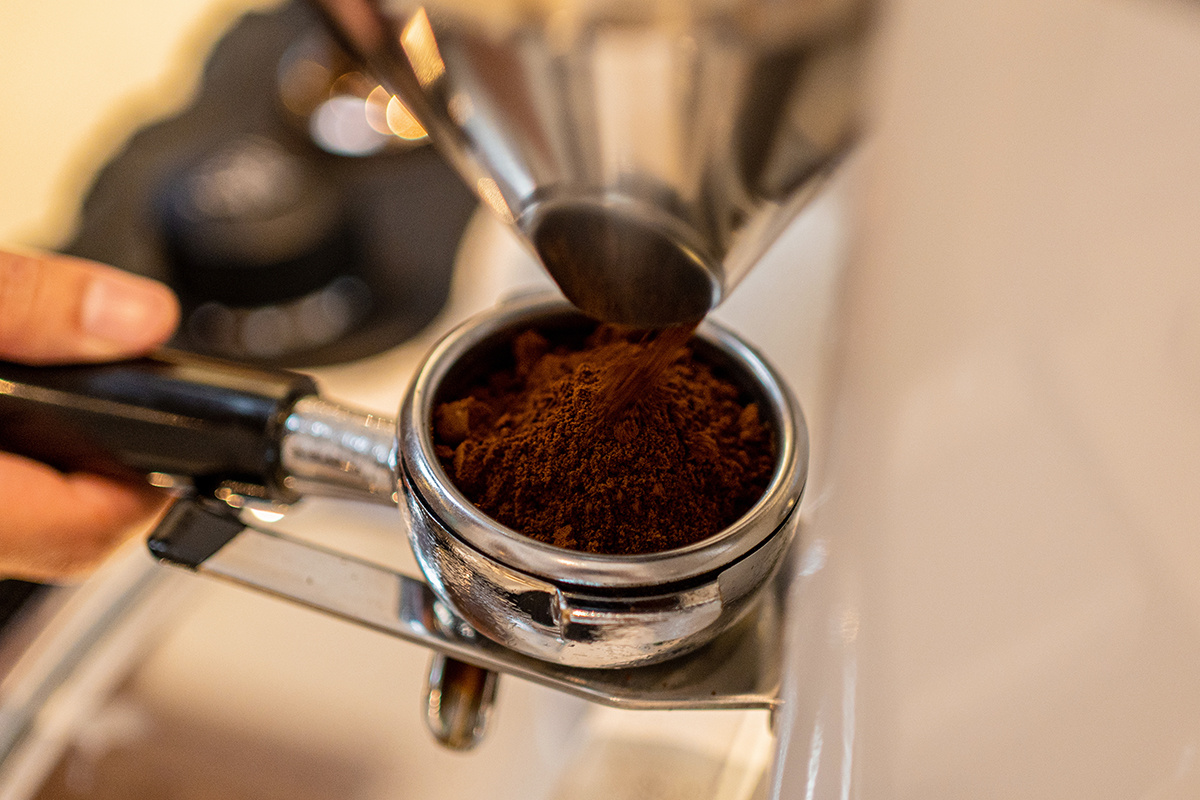
When you take a minute to think about your coffee, you're not just considering taste—you're making a decision that impacts your business's...
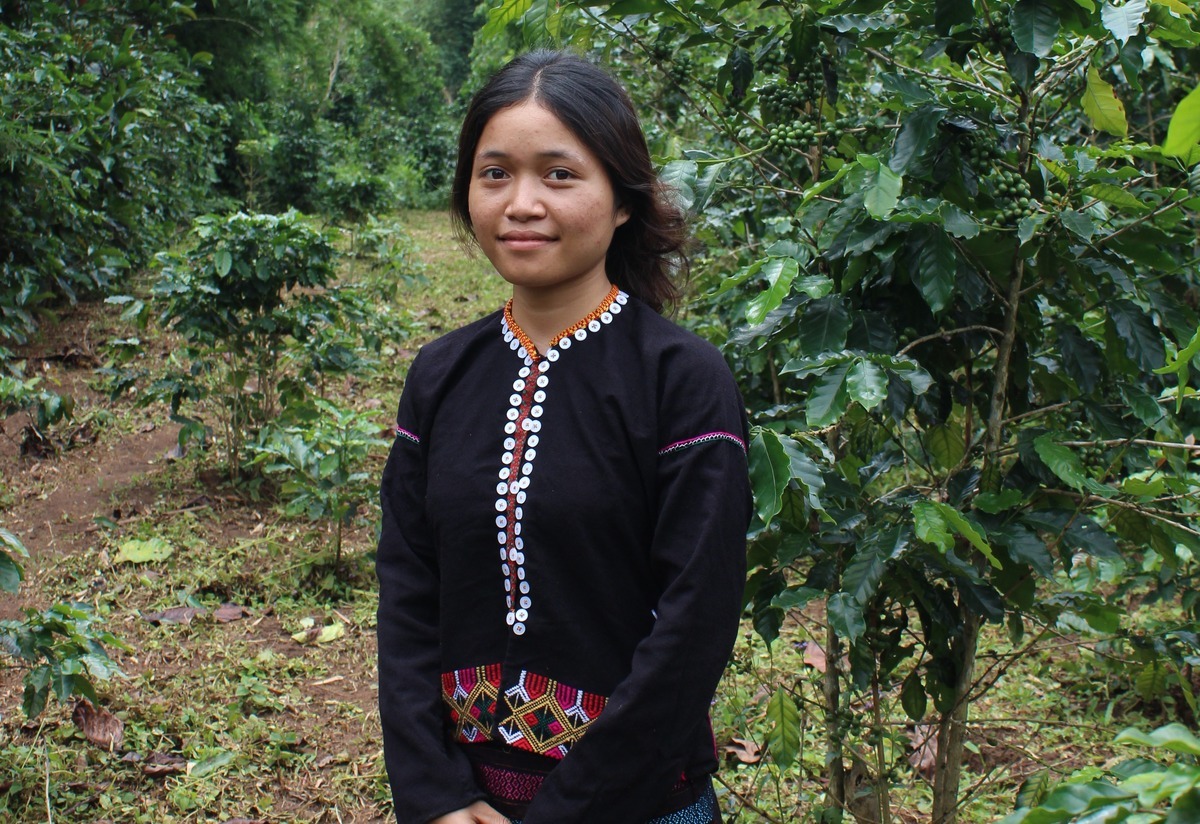
Climate pressures are rising. In one Vietnamese coffee region, farmers are turning to agroforestry to secure yields, restore soils, and keep supply...